The Complete Guide to Modern Guest Pager Systems: Buzzers vs. Web Apps
Beyond the Plastic Buzzer: Why the Modern Guest Pager System is Going Digital
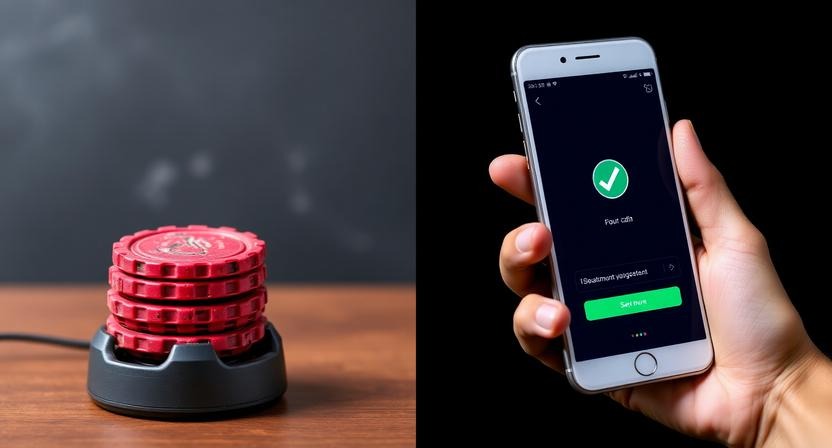
For decades, the standard guest pager system was a familiar staple of the hospitality and service industries. You would hand a customer a bulky, plastic "coaster" buzzer, and they would hover anxiously near the front desk or food pickup counter until it began to vibrate violently.
But in 2026, the operational landscape has evolved. Businesses are realizing that traditional radio-frequency hardware comes with steep hidden costs: expensive replacement fees for lost or broken units, constant cleaning routines, and physical range limitations that trap customers in crowded lobbies.
Today, a massive shift toward digital queue management is underway. Let's explore the different types of guest paging technology, and why a new category—QR and Mobile Web Systems—is quickly becoming the gold standard for modern workflows.
The Spectrum of Guest Pager Systems
When evaluating how to manage your customer waitlist or order pickup queue, the technology generally falls into three main buckets:
1. Traditional Radio Frequency (RF) Pagers
These are the hardware kits, such as standard coaster buzzers or paging transmitters, that communicate via a localized radio signal. While they provide reliable on-premise signals that don't rely on local Wi-Fi, they suffer from zero data capabilities, high upfront hardware costs, and an invisible "leash" that prevents customers from walking too far away.
2. SMS Text Paging Systems
These systems drop the physical buzzers entirely by sending automated SMS notifications to a customer's phone number when their order is ready. This provides unlimited range, but introduces heavy privacy friction. Many modern consumers are protective of their personal data and feel uncomfortable handing out their phone numbers just to wait for a table.
3. QR Code & Mobile Web Systems
The latest evolution in queue management relies on the guest's smartphone browser. Instead of handing out hardware or collecting phone numbers, businesses display smart QR codes. The guest scans the code, enters a virtual queue, and tracks their status in real time via an in-browser live session.
Spotlight on Innovation: TokenPager
If you are looking to deploy a QR/Mobile web-based solution, TokenPager stands out as a premier digital answer to the outdated guest pager system. It completely reimagines the workflow by discarding the friction points of older technology.
Zero Hardware Baggage
There are no physical coasters to purchase, charge, sanitize, or replace. Your operational overhead instantly drops.
Strict Privacy-First Model
Unlike aggressive SMS platforms that force customers to hand over cellular data, TokenPager functions entirely within a mobile web browser. No phone numbers, no emails, and absolutely no app downloads are required.
Real-Time Visual Updates
Customers don't just wait blindly for a buzz. They can look at their phone screen to check their exact place in line, browse your digital menu, or read announcements while they wait.
Boundless Waiting Radius
Because it runs in the cloud, guests are free to move around safely and comfortably, expanding your venue's physical breathing room.
Making the Right Operational Choice
An effective guest pager system should streamline your staff's workflow, not add to their daily tasks. While closed-circuit RF buzzers still have a niche in tiny, internet-dead zones, the flexibility, cost savings, and consumer privacy advantages of QR-based platforms make them the undeniable future of hospitality and retail. Incorporating a digital platform like TokenPager ensures your customer service remains fast, modern, and completely frictionless.
Ready to try TokenPager?
Create a free, contact-free customer pager workspace in seconds. Stop hardware overhead and phone spam today.